Roof Inspection
Tells you what can be seen.
A visual, photographed walkthrough of the roof. It answers whether there is a problem today and what it looks like. Swift provides this at no cost.
No charge

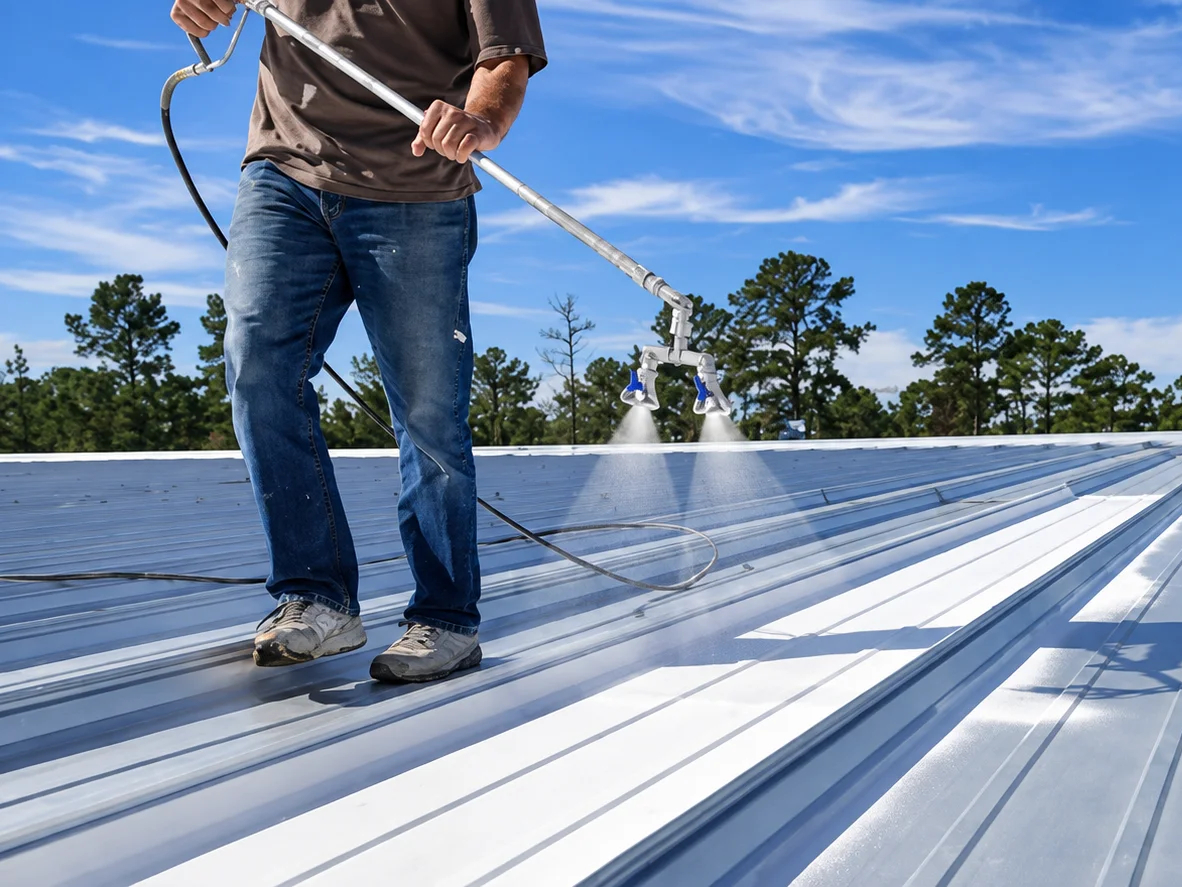
Roof Condition Assessments
You can't plan for what you can't see.
A Swift roof condition assessment establishes a documented, defensible baseline for a single asset or an entire portfolio — what condition each roof is in today, what requires attention and when, and what should be financially planned for over the next five years.
Request a Roof Condition Assessment
The Difference
Roof Inspection
A visual, photographed walkthrough of the roof. It answers whether there is a problem today and what it looks like. Swift provides this at no cost.
No charge
Roof Condition Assessment
Diagnostic work that finds trapped moisture, saturated insulation, and deterioration invisible from the surface — then translates it into a plan and a number.
Paid engagement
If you need to know whether a roof is leaking today, start with an inspection. If you need to make a decision with money attached to it, you need an assessment.
What It Answers
Documented condition of each roof section, supported by photographs and diagnostic findings.
Deficiencies identified, prioritized, and categorized — not a single undifferentiated list.
Anticipated expenditures placed on a timeline you can budget against.

The Deliverable
 Full roof condition report for the asset or portfolioRoof plan with sections identified and referencedDiagnostic findings from moisture survey or core samplingRecommendations placed on a five-year timelineRoofing system type, age, and assembly documentedPhotographic record of each deficiency, keyed to locationDeficiencies categorized by required actionExecutive summary written for decision-makers
Condition to Capital
Every recommendation is placed on a timeline so it can enter a budget rather than a wish list.
Conditions requiring attention now, where deferral increases cost or risk.
Serviceable systems where proactive work extends useful life.
Systems where continued investment no longer makes financial sense.
Thirty deficiencies is data. Thirty deficiencies sorted into three categories and four budget years is a plan.
Ownership Strategy
The same roof, in the same condition, warrants different recommendations depending on ownership intent. A five-year hold and a pending disposition are not the same problem.
Method
Triggers
Understand the roofing liability you're buying before closing, not after.
A documented condition report on a deadline.
Know what a buyer's consultant will find before they find it.
Operating budgets and reserve studies that need defensible roofing numbers.
A new manager or owner inheriting properties with no roofing records.
Repeated service calls that suggest something larger is developing.
Scale
For a single asset, an assessment establishes the baseline and the plan.
Across a portfolio, the same standard applied to every property makes the roofs comparable — which properties need attention first, where capital is concentrated, and what roofing will cost over the next five years.
Start Here
Establish the baseline. Get the plan. Budget with confidence.